
Curtains have evolved far beyond simple window coverings. In modern homes, they play a central role in shaping atmosphere, controlling light, enhancing privacy, and elevating interior design. The idea of luxury in curtains is not defined by excess or ornamentation alone. Instead, it emerges from quality materials, refined craftsmanship, thoughtful layering, and seamless integration with the overall space.
Understanding what makes curtains truly luxurious helps homeowners and designers create interiors that feel balanced, elegant, and timeless. From fabric selection to detailing and maintenance, each decision contributes to a cohesive and sophisticated result.
Defining the Elements That Make Window Drapery Feel Truly Luxurious
Luxury in window drapery is built on multiple design principles working together. It is rarely about a single dramatic feature; rather, it is about proportion, material integrity, and attention to detail.
Key elements that define luxurious drapery include:
- High-quality, substantial fabrics
- Proper lining and interlining for structure
- Fullness and generous fabric width
- Tailored pleats and precise stitching
- Coordinated hardware that complements the design
Fullness is especially important. Curtains that are too narrow appear flat and incomplete. Luxurious drapes typically use extra fabric to create deep, elegant folds that fall naturally from ceiling to floor.
When exploring refined window treatments such as curtains luxury, attention is often given to fabric weight, stitching precision, and layered construction. These structural features ensure that the curtains hang smoothly and maintain their shape over time.
Ultimately, luxurious drapery should enhance the architecture of the room rather than compete with it.
How Fabric Selection Influences Elegance and Interior Atmosphere
Fabric is the foundation of any high-end curtain design. The texture, weight, and weave influence not only appearance but also how the curtain interacts with light and movement.
Common fabrics associated with luxury interiors include:
- Velvet for depth and richness
- Silk for sheen and fluidity
- Linen blends for understated elegance
- High-quality cotton for tailored structure
Heavier fabrics create dramatic folds and improve insulation. Lighter materials allow sunlight to filter gently, softening the atmosphere.
Fabric selection should align with the room’s function:
- Bedrooms may require thicker fabrics for privacy and light blocking.
- Living rooms benefit from balanced fabrics that diffuse light while maintaining brightness.
- Dining areas may use textured materials that add warmth and depth.
The tactile experience also matters. Luxury fabrics feel substantial yet smooth to the touch, reinforcing the sense of refinement.
The Role of Layering and Texture in High-End Window Styling
Layering is a defining feature of luxurious window styling. Combining multiple curtain types allows for both aesthetic complexity and functional versatility.
A layered arrangement may include:
- Sheer inner panels for daytime light diffusion
- Opaque outer drapes for privacy and evening coverage
- Decorative valances or structured headings for added dimension
This approach creates visual depth and flexibility. Sheers soften incoming light, while heavier outer curtains provide insulation and complete darkness when needed.
Texture contrast enhances the layered look. For example:
- Pairing smooth silk drapes with lightly textured sheers
- Combining matte fabrics with subtle metallic threads
- Mixing natural linen textures with structured velvet panels
Layering transforms windows into focal points while preserving comfort and practicality. It allows homeowners to adapt lighting throughout the day without compromising style.
Understanding Craftsmanship and Detailing in Premium Curtains
Craftsmanship is one of the strongest indicators of luxury. Even the finest fabric can appear ordinary if poorly constructed.
Premium curtains demonstrate:
- Even, symmetrical pleating
- Weighted hems for proper drape
- Invisible stitching and neat seams
- Durable lining that enhances longevity
Pleat styles significantly influence the final look. Pinch pleats convey classic sophistication, while wave headers create a contemporary, flowing effect. The choice of heading should match the interior theme.
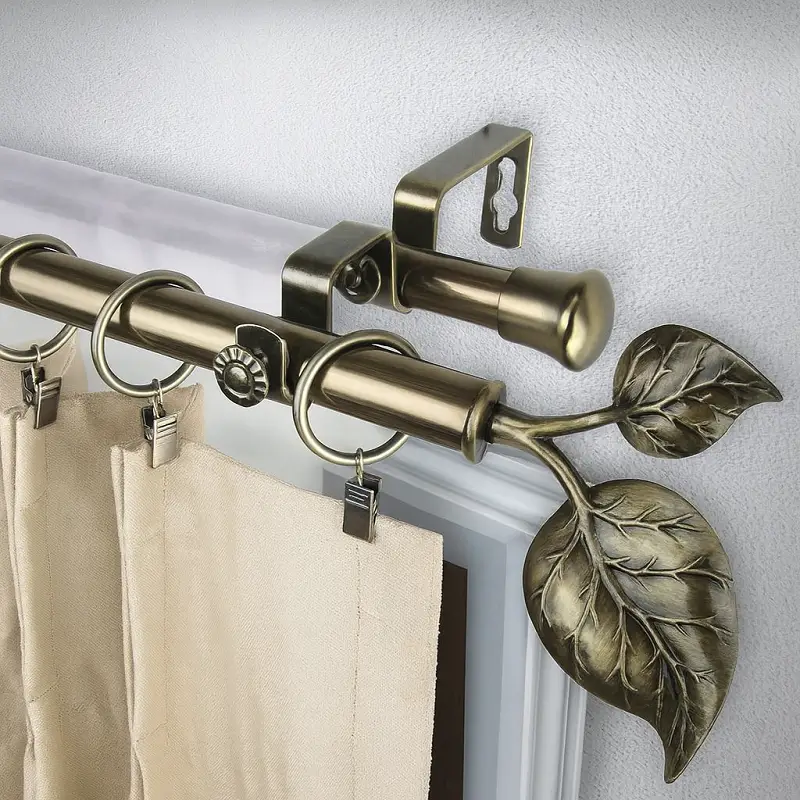
Hardware also plays an essential role. Curtain rods, tracks, rings, and finials should align with the curtain’s tone and style. Minimalist interiors often favor concealed tracks, while traditional settings may showcase decorative rods.
When evaluating options such as luxurious curtains, craftsmanship becomes a key factor. High-quality construction ensures consistent folds, smooth operation, and a polished appearance over time.
Comparing Modern Minimalist Styles with Classic Opulent Designs
Luxury curtains can take different stylistic forms depending on design preferences and architectural context.
Modern Minimalist Luxury
Features of minimalist luxury include:
- Neutral or monochromatic color palettes
- Floor-to-ceiling installations
- Clean, straight lines
- Subtle textures without heavy ornamentation
This style emphasizes simplicity and proportion. Curtains often extend from ceiling height to slightly above the floor, elongating the room visually.
Classic Opulent Luxury
Opulent designs may incorporate:
- Rich jewel tones such as emerald or deep blue
- Decorative trims or tassels
- Heavier fabrics like velvet or brocade
- Elaborate pleating styles
While minimalist curtains create calm sophistication, classic styles introduce drama and grandeur. Both can feel luxurious when executed thoughtfully and aligned with the room’s character.
The key is cohesion—curtains should enhance architectural features rather than overpower them.
How Color Psychology Enhances Sophistication in Living Spaces
Color selection plays a powerful role in how a space feels. Luxury curtains often rely on carefully chosen tones that complement the interior palette while subtly shaping mood.
Examples of color impact:
- Deep navy promotes calm authority and refinement.
- Warm beige fosters comfort and balance.
- Charcoal gray enhances contemporary elegance.
- Soft blush adds warmth without overwhelming the room.
Neutral tones are common in modern luxury interiors because they offer flexibility and timeless appeal. However, bold colors can work effectively when balanced with surrounding décor.
When selecting curtain colors, consider:
- Wall and flooring tones
- Natural light levels
- Furniture finishes
- Desired emotional atmosphere
Darker shades can ground large rooms with high ceilings. Lighter hues open smaller spaces and reflect more light.
Thoughtful color coordination elevates curtains from functional elements to integral design features.
Maintenance Practices to Preserve the Beauty of Elegant Fabrics
Maintaining luxury curtains ensures they retain their appearance and structure over time. Even high-quality fabrics require appropriate care.
Routine maintenance includes:
- Light vacuuming with a soft brush attachment
- Avoiding prolonged exposure to harsh sunlight
- Rotating panels occasionally to ensure even wear
- Following fabric-specific cleaning guidelines
Delicate materials like silk may require professional cleaning, while heavier cotton blends can tolerate gentle care methods depending on construction.
In some interiors, pairing curtains with discreet roller blinds can help protect decorative fabrics from direct sunlight. This layered solution reduces fading while maintaining flexible light control.
Proper maintenance preserves both color vibrancy and structural integrity, ensuring long-term elegance.
When to Choose Statement Drapery for Large or Open-Plan Rooms
Large windows and open-plan spaces create opportunities for dramatic window styling. Statement drapery can anchor expansive rooms and add visual warmth.
Consider statement curtains when:
- The room has high ceilings
- Windows span large wall areas
- The space feels visually empty
- Architectural details need emphasis
Statement drapery may involve bold textures, rich colors, or extended lengths that pool slightly at the floor for added drama.
However, proportion remains essential. Oversized patterns or excessively heavy materials can overwhelm a space if not balanced properly.
In open-plan homes, curtains can also serve as soft partitions, subtly defining living and dining areas without constructing physical barriers. This functional versatility enhances both practicality and aesthetic appeal.
Conclusion
Luxury curtains are defined by more than appearance. They reflect thoughtful fabric selection, skilled craftsmanship, balanced proportions, and intentional styling choices. Whether minimalist or opulent, luxurious drapery elevates modern interiors by enhancing light, texture, and spatial harmony.
By understanding the elements that contribute to true luxury, homeowners can create window treatments that feel refined, cohesive, and enduring.
FAQs
1. What features define high-end curtains?
High-end curtains feature premium fabrics, precise stitching, structured pleating, proper lining, and coordinated hardware that enhances overall design cohesion.
2. Which fabrics are commonly used in luxury drapery?
Velvet, silk, linen blends, and high-quality cotton are commonly used because they provide texture, weight, and durability suitable for refined interiors.
3. How do layered curtains improve interior design?
Layered curtains allow adjustable light control, add visual depth, and enhance insulation while creating a sophisticated and dynamic window presentation.
4. Are luxury curtains suitable for modern apartments?
Yes, when designed with clean lines and appropriate proportions, luxury curtains complement modern apartments by adding warmth and refinement without overwhelming the space.
5. How should delicate curtain fabrics be maintained?
Delicate fabrics should be vacuumed gently, protected from direct sunlight, and professionally cleaned when necessary to maintain their texture and longevity.